A quiet but powerful shift is happening in the snack aisle. For decades, potato chips have been the undisputed champion of salty cravings. But now, a delicious and wholesome challenger is stepping into the spotlight: plantain chips. Shoppers are increasingly reaching for these crispy, golden delights, signaling a major change in snacking habits. This isn’t just a fleeting trend; it’s a full-blown revolution driven by a desire for better ingredients, richer flavors, and snacks that do more than just satisfy a craving.
So, why are so many people making the switch? Consumers are more educated than ever about what they put into their bodies. They are looking for snacks with simple, recognizable ingredients and nutritional profiles that align with a healthier lifestyle. From their satisfying crunch to their impressive versatility, plantain-based alternatives are proving to be the perfect answer. In this guide, we’ll explore the reasons behind this snack revolution and what makes plantain chips the new go-to choice for mindful munching.
The Growing Appetite for Healthier Alternatives
The modern snacker is reading labels and asking questions. This conscious consumerism has fueled a massive demand for “better-for-you” options that don’t compromise on taste. Market trends confirm this shift away from traditional snacks. Consumers are actively seeking products with fewer artificial additives, lower sodium content, and ingredients they can actually pronounce.
This is where tostones snacks and other plantain-based products are winning. Unlike many ultra-processed potato chips that can be loaded with preservatives and artificial flavors, high-quality plantain chips often feature a refreshingly simple ingredient list: plantains, a good-quality oil, and a touch of salt. This clean-label appeal resonates deeply with individuals and families aiming for a more wholesome diet.
A Nutritional Look: Plantain Chips vs. Potato Chips
When you compare the two snacks side-by-side, the nutritional advantages of plantains become clear. While preparation methods matter, plantain chips generally offer a more compelling profile.
Fiber and Resistant Starch
One of the standout benefits of plantains, especially when they are less ripe (green), is their content of dietary fiber and resistant starch. Resistant starch acts similarly to soluble fiber, passing through the small intestine undigested and feeding beneficial gut bacteria. According to a study on the health benefits of dietary fiber, a high-fiber diet can support digestive health and promote a feeling of fullness, which can help with appetite management. Potato chips, on the other hand, typically offer less fiber.
The Fat Factor
The type of fat in your snack is just as important as the amount. Many conventional potato chips are fried in oils that can be high in inflammatory omega-6 fatty acids. In contrast, premium baked plantain snacks or those fried in healthier oils like coconut or avocado oil provide a better fat profile. These fats are more stable at high heat and can contribute to a more balanced diet. Always check the label to see what kind of oil is used.
Sodium Content
Overconsumption of sodium is a widespread health concern. While both types of chips can be salty, brands focused on wellness tend to be more mindful of sodium levels. It’s often easier to find lightly salted plantain chips that deliver a satisfying flavor without overwhelming your palate or your daily sodium intake.
From Cultural Staple to Global Sensation
Tostones are not a new invention. They have been a beloved staple in Latin American and Caribbean cuisines for centuries, where plantains are a dietary cornerstone. Traditionally, they are made by twice-frying green plantain slices until they are irresistibly crispy. This rich cultural heritage gives plantain chips an authenticity and story that many mass-produced snacks lack.
Today, the world is embracing this culinary tradition. The global palate has become more adventurous, with people eager to explore new flavors and textures. The widespread adoption of plantain chips is a perfect example of this trend, bringing a taste of the tropics to snack aisles around the globe. This cultural connection adds a layer of depth to the snacking experience, turning a simple bite into a small celebration of global foodways.
The Rise of Functional and Lifestyle-Friendly Snacking
Modern diets are about more than just counting calories; they are about choosing foods that fit a specific lifestyle. Plantain chips align perfectly with many popular dietary patterns, making them a versatile “functional snack.”
- Gluten-Free: Plantains are naturally gluten-free, making them a safe and delicious choice for individuals with celiac disease or gluten sensitivity.
- Paleo and Whole30-Friendly: For those following Paleo or Whole30 diets, which eliminate grains, legumes, and dairy, plantain chips made with compliant oils (like coconut or avocado oil) are a fantastic option for a crunchy fix.
- Allergen-Friendly: Many brands are produced in facilities free from common allergens like nuts, soy, and dairy, providing a safe snack for school lunchboxes and parties.
This adaptability makes plantain chips a simple and inclusive choice for households with diverse dietary needs.
A More Sustainable Crunch
As consumers become more environmentally conscious, the sourcing and sustainability of their food matter more than ever. Plantain cultivation is often more sustainable than that of other large-scale monocrops. Plantain trees are perennial, meaning they can produce fruit for several years without needing to be replanted, which helps maintain soil structure and reduces erosion.
Furthermore, many plantain-growing regions are in tropical areas where the plants thrive with less intensive irrigation compared to crops grown in drier climates. Supporting brands that prioritize responsible sourcing contributes to more sustainable agricultural systems and empowers farming communities. This eco-conscious element adds another compelling reason to choose plantain chips.
How to Choose the Best Plantain Chips
Not all plantain chips are created equal. As their popularity grows, the market is filling with options. Here’s what to look for to ensure you’re getting a top-quality product:
- Oil Type: Look for chips cooked in high-quality oils like coconut, avocado, or high-oleic sunflower oil. Avoid those made with unspecified “vegetable oil” blends.
- Plantain Ripeness: Chips made from green plantains are typically crispier and less sweet, with more resistant starch. Those made from ripe plantains will be sweeter and have a slightly chewier texture.
- Thickness: Thicker-cut chips, like traditional tostones, offer a more substantial and satisfying crunch. Thinner chips are more delicate, similar to classic potato crisps.
- Sodium Levels: Opt for brands that use sea salt and keep the sodium content reasonable. The flavor should come from the plantain itself, not just salt.
- Flavorings: If you enjoy flavored chips, seek out those that use real spices and natural seasonings instead of artificial powders and MSG.
Creative Ways to Enjoy Your Plantain Chips
The versatility of plantain chips extends far beyond snacking straight from the bag. Their sturdy texture and savory flavor make them an ideal partner for a variety of dishes.
- With Dips: Move over, tortilla chips! Try pairing them with guacamole, mango salsa, black bean dip, or a creamy cilantro-lime aioli.
- As a Topping: Crush them up and sprinkle them over salads, soups (like black bean or tortilla soup), or mac and cheese for a crunchy, gluten-free topping.
- In Lunchboxes: They are a durable, kid-friendly snack that won’t turn to crumbs at the bottom of a lunch bag.
- On a Cheese Board: Arrange them on a charcuterie or cheese board alongside cheeses, fruits, and cured meats for a unique textural element.
The Tostones Difference
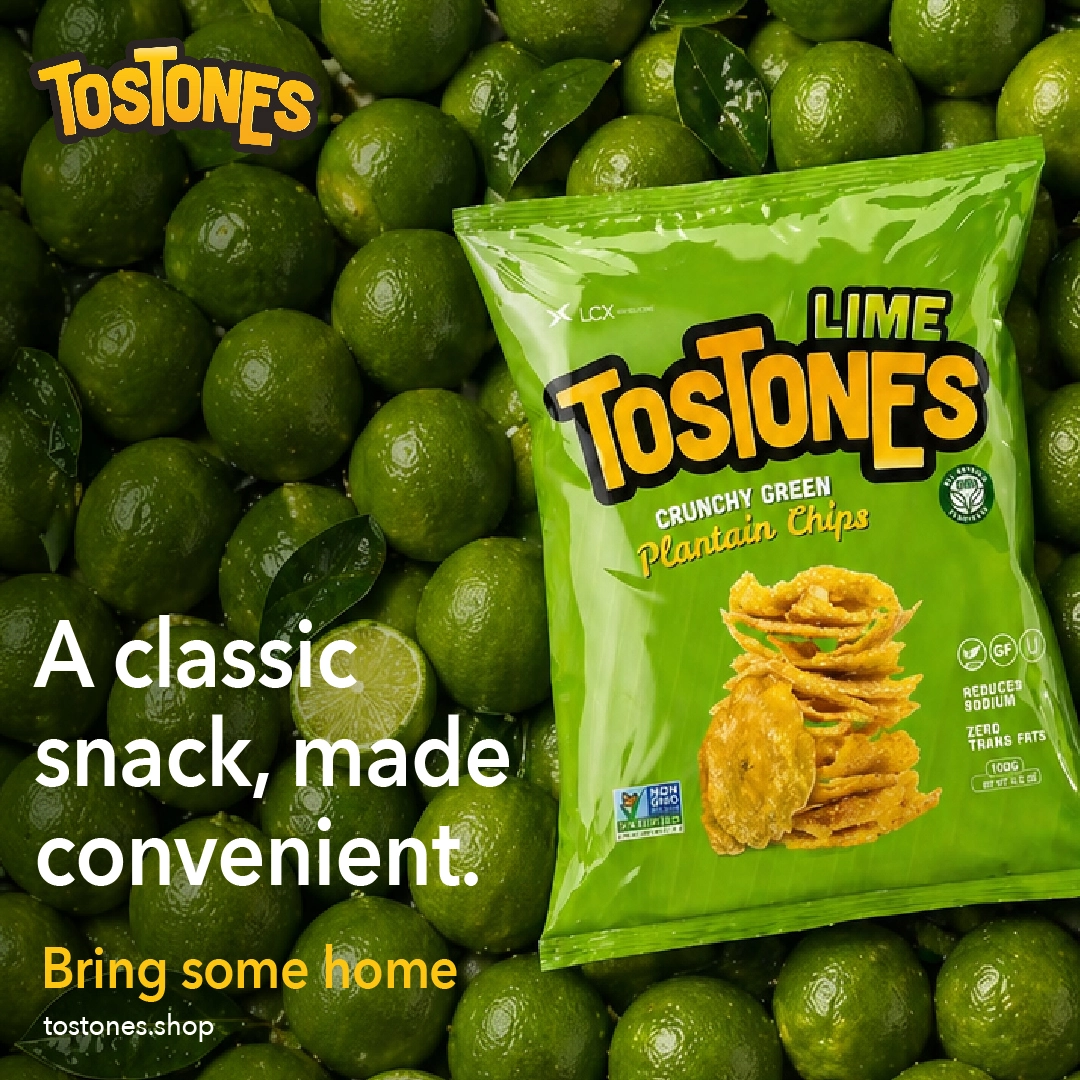
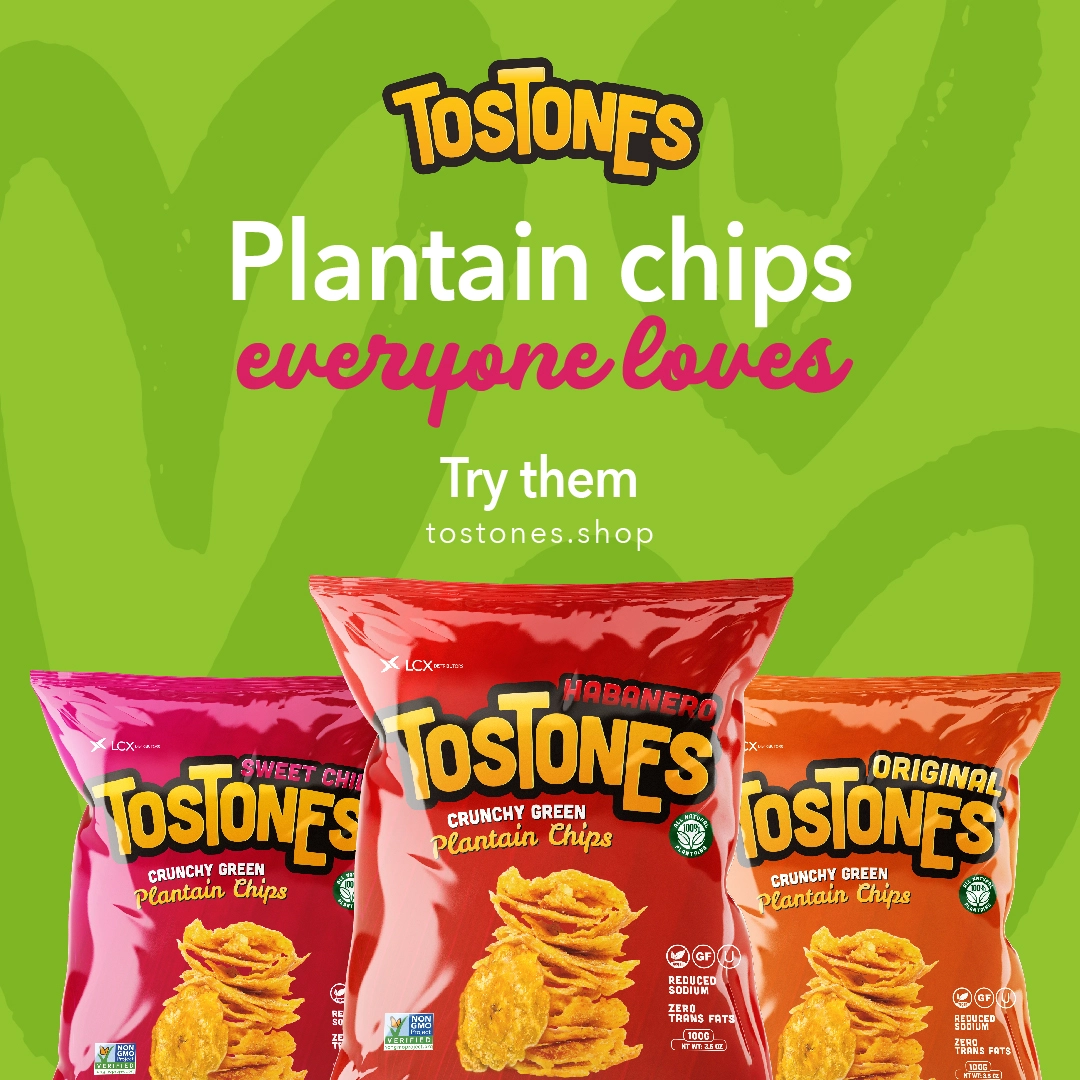
In a growing sea of options, Tostones stands out by focusing on what makes plantain chips great in the first place: quality and simplicity. We are committed to creating a snack that is both delicious and made with integrity. Our chips are crafted to deliver that perfect, satisfying crunch in every bite, using minimal ingredients to let the natural flavor of the plantain shine. With a range of carefully developed flavors, we offer a superior snacking experience rooted in tradition but designed for the modern, health-aware consumer.
Join the Snack Revolution
The evidence is clear: the shift toward plantain-based snacks is here to stay. Offering a superior nutritional profile, clean ingredients, and a satisfying crunch, plantain chips are more than just an alternative—they are an upgrade. They meet the demands of today’s consumer for food that is both delicious and aligned with a healthier, more conscious lifestyle.
Ready to taste the difference for yourself? Explore the world of authentic, crispy, and wholesome snacks. Find your new favorite crunch by checking out the delicious options at Tostones.shop.
Frequently Asked Questions (FAQ)
Q1: Are plantain chips healthier than potato chips?
A: Generally, yes. High-quality plantain chips, especially those that are baked or fried in healthy oils, tend to offer more fiber, resistant starch, and a better fat profile than many conventional potato chips. They also often contain less sodium and fewer artificial ingredients.
Q2: Are plantain chips suitable for a gluten-free diet?
A: Absolutely. Plantains are naturally gluten-free, making plantain chips an excellent and safe snack for individuals with celiac disease or gluten sensitivities. Always check the packaging to ensure they are produced in a certified gluten-free facility if cross-contamination is a concern.
Q3: What is the difference between green and ripe plantain chips?
A: Chips made from green plantains are starchy, savory, and have a firm, crispy texture. They are also higher in resistant starch. Chips made from ripe (yellow or black) plantains are sweeter, as the starches have converted to sugar, and they tend to have a slightly less crunchy texture.
Q4: Can I eat plantain chips on a Paleo or Whole30 diet?
A: Yes, provided you choose the right kind. To be compliant with Paleo and Whole30 diets, the plantain chips must be cooked in an approved oil, such as coconut oil, avocado oil, or palm oil, and should not contain any added sugar or non-compliant flavorings.
Q5: What do plantain chips taste like?
A: Savory plantain chips made from green plantains have a mild, earthy taste that’s often compared to a potato chip but with a denser texture and a subtly sweet finish. They are a fantastic canvas for various seasonings, from simple sea salt to zesty lime or spicy chili.
Q6: How can I use plantain chips in my meals?
A: Their sturdy texture makes them incredibly versatile. Use them as a base for nachos, crush them to create a gluten-free “breading” for chicken or fish, or add them to salads for extra crunch. They are also a perfect dipper for everything from hummus to ceviche.