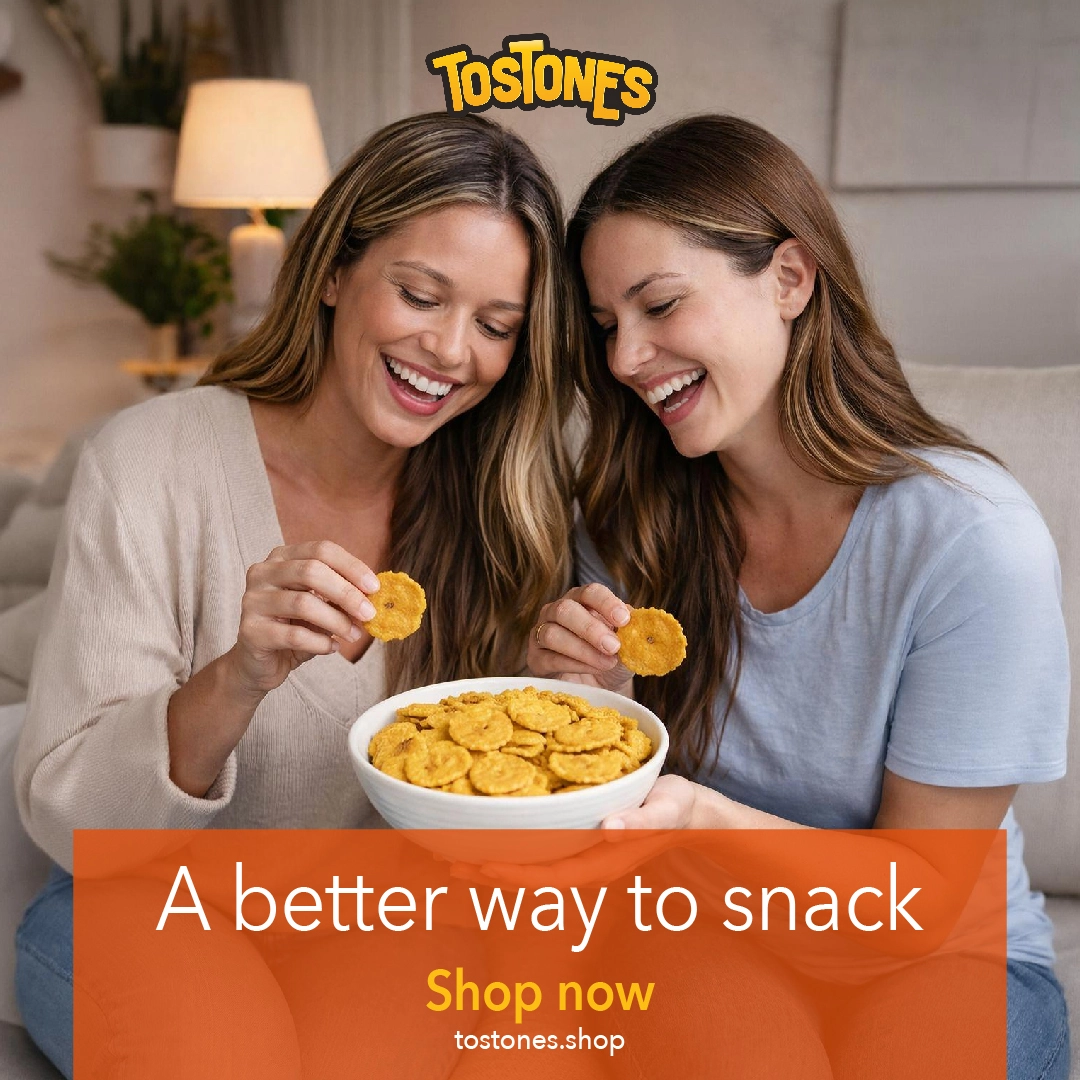
As consumer preferences evolve toward healthier, more convenient, and globally inspired foods, the comparison of plantain vs potato snacks has become increasingly relevant. What was once a simple choice between two types of chips is now a broader discussion about nutrition, ingredients, sustainability, and overall lifestyle compatibility.
In the age of ecommerce and conscious consumption, snack choices are no longer impulsive—they are informed. Consumers are actively searching for better alternatives, and the debate around plantain vs potato reflects this shift.
From clean-label ingredients to texture and nutritional value, this article explores how plantain snacks—especially ready-to-eat tostones—compare to traditional potato chips and why more consumers are making the switch.
Understanding the Basics: Plantains vs Potatoes
To properly evaluate plantain vs potato, it is important to understand the fundamental differences between these two ingredients.
Plantains are part of the banana family and are typically consumed cooked. They are widely used in Latin American, Caribbean, and African cuisines.
Potatoes, on the other hand, are root vegetables that have become a staple in global diets, particularly in processed snack formats like chips and fries.
While both ingredients can be transformed into snacks, their nutritional composition, texture, and processing methods differ significantly—making the comparison of plantain vs potato more meaningful than ever.
Ingredient Simplicity and Processing
One of the most important distinctions in the plantain vs potato debate is the level of processing involved.
Plantain snacks, particularly high-quality ones, are typically made with:
• green plantains
• natural oils
• salt
Potato chips, depending on the brand, often include:
• additives
• artificial flavors
• preservatives
• stabilizers
This difference highlights one of the key advantages in the plantain vs potato comparison: simplicity. Consumers increasingly prefer snacks with fewer ingredients and more transparency.
The global clean-label movement continues to influence purchasing behavior.
Outbound source: https://www.statista.com/topics/8511/clean-label-food/
Nutritional Differences
When comparing plantain vs potato, nutrition plays a central role in consumer decision-making.
Plantains generally provide:
• complex carbohydrates
• fiber
• natural energy
Potato chips, especially highly processed ones, may contain:
• higher levels of refined fats
• added sodium
• fewer natural nutrients after processing
While both can be enjoyed in moderation, plantain snacks are often perceived as a more balanced option. This perception contributes to the growing popularity of plantain-based snacks in ecommerce and retail.
Texture and Eating Experience
Texture is a defining factor in snack preference. The plantain vs potato comparison reveals a noticeable difference in how each snack feels and satisfies.
Plantain chips and tostones offer:
• a thicker, crunchier texture
• a more substantial bite
• longer-lasting satisfaction
Potato chips tend to be:
• thinner
• lighter
• more fragile
For consumers seeking a more filling snack, plantains provide a clear advantage. This is one of the sensory-driven reasons behind the shift in the plantain vs potato dynamic.
Flavor Profiles and Versatility
Flavor is another critical factor in the plantain vs potato discussion. While potato chips often rely on artificial flavoring, plantain snacks offer a more natural taste experience.
Plantain snacks typically feature:
• mild, slightly savory flavor
• natural sweetness (depending on ripeness)
• compatibility with dips and toppings
This versatility allows plantain snacks to adapt to different culinary contexts, making them appealing to a broader audience.
As global flavors continue to influence snacking trends, plantains are gaining recognition for their adaptability.
Alignment with Modern Dietary Trends
One of the strongest arguments in favor of plantains in the plantain vs potato comparison is their alignment with modern dietary preferences.
Plantain snacks are often:
• gluten-free
• vegan
• non-GMO
• minimally processed
These attributes make them highly compatible with current consumer trends, particularly in ecommerce environments where dietary filters influence purchasing decisions.
Search interest in plant-based and clean snacks continues to grow.
Outbound source: https://trends.google.com/trends/explore?q=plant%20based%20snacks
Ecommerce Performance and Consumer Behavior
The rise of ecommerce has amplified the importance of the plantain vs potato comparison. Online shoppers actively compare products based on ingredients, reviews, and perceived value.
Plantain snacks perform well in ecommerce due to:
• strong visual appeal
• clear health positioning
• unique product differentiation
Potato chips, while still dominant, face increased competition from alternative snack categories that offer more benefits.
Ecommerce platforms have made it easier for consumers to explore new snack options.
Outbound source: https://www.shopify.com/retail/food-ecommerce
Supply Chain and Production Differences
The plantain vs potato comparison also extends to supply chain dynamics. Plantain snacks often involve shorter ingredient lists and simpler processing methods.
This can result in:
• more transparent sourcing
• fewer production variables
• better alignment with clean-label standards
Potato chips, especially large-scale brands, may rely on complex supply chains and processing systems.
Efficient supply chains are becoming increasingly important in the global snack market.
Outbound source: https://www.gartner.com/en/supply-chain
Sustainability Considerations
Sustainability is another factor influencing the plantain vs potato debate. Consumers are becoming more aware of the environmental impact of their food choices.
Plantain snacks can offer advantages such as:
• less intensive processing
• simpler ingredient sourcing
• potential for lower environmental impact
As sustainability becomes a purchase driver, these factors contribute to the growing appeal of plantain-based snacks.
Sustainable food trends continue to shape consumer behavior.
Outbound source: https://www.mordorintelligence.com/industry-reports/sustainable-food-market
Why Consumers Are Choosing Plantain Snacks
The shift in the plantain vs potato landscape is driven by multiple factors:
• desire for healthier options
• preference for simple ingredients
• interest in global flavors
• demand for convenient snacks
These factors align closely with broader snacking trends, reinforcing the position of plantain snacks as a strong alternative to traditional options.
The Role of Ready-to-Eat Tostones
Ready-to-eat tostones elevate the advantages in the plantain vs potato comparison by combining authenticity with convenience.
They offer:
• no preparation required
• consistent texture and flavor
• immediate consumption
• compatibility with modern lifestyles
This makes them particularly appealing in ecommerce, where convenience and quality drive purchasing decisions.
The Future of the Plantain vs Potato Debate
As consumer preferences continue to evolve, the plantain vs potato comparison will remain relevant. However, the direction is clear: consumers are increasingly open to alternatives that offer more value beyond taste.
Future trends will likely include:
• greater adoption of plant-based snacks
• increased demand for clean-label products
• expansion of global snack categories
• continued ecommerce growth
Plantain snacks are well-positioned to benefit from all of these trends.
Final Thoughts
The comparison of plantain vs potato is no longer just about taste—it is about lifestyle, health, and evolving consumer expectations. While potato chips remain a staple, plantain snacks are emerging as a strong contender in the modern snack landscape.
With their clean ingredients, satisfying texture, and alignment with global trends, plantain snacks—especially ready-to-eat tostones—offer a compelling alternative for today’s consumers.
As ecommerce continues to expand and consumers become more informed, the shift toward plantain-based snacks is likely to accelerate, redefining what it means to snack better.