Snacking is a universal pastime, but the wrappers and containers our favorite treats come in are creating a global challenge. For decades, convenience has often come at an environmental cost, with single-use plastics dominating the snack aisle. Today, a significant shift is underway. Consumers are more aware of their environmental impact than ever before and are demanding change. This growing consciousness is pushing the food industry toward a more responsible future, especially in the realm of sustainable snack packaging. As we look toward 2026, several key sustainability trends are not just emerging—they are defining the next generation of how we package, sell, and enjoy our food.
This evolution is particularly relevant for on-the-go products, where convenience and portability are paramount. The challenge is to maintain that ease of use while drastically reducing the environmental footprint. From innovative materials to circular economy principles, the future of sustainable snack packaging is being redesigned from the ground up. This post will explore the primary sustainability trends shaping the industry, the innovations making them possible, and how beloved ready-to-go snacks, like crispy tostones, are perfectly positioned to be part of this green revolution.
The Consumer Demand for Eco-Friendly Choices
The engine driving the sustainable packaging movement is undeniable: the consumer. Modern shoppers are increasingly making purchasing decisions based on a brand’s environmental and ethical credentials. A report from the consulting firm Kearney revealed that a significant portion of consumers consider a company’s environmental policies when buying products. This isn’t just a niche concern; it’s a mainstream expectation that cuts across demographics.
People are actively seeking out products with minimal, recyclable, or compostable packaging. The “unboxing” experience, once a social media trend focused on luxury, is now being viewed through a sustainability lens. Consumers are quick to call out brands for excessive materials, making the shift toward sustainable snack packaging more critical than ever. This public accountability puts pressure on companies to rethink their strategies, from the materials they use to the amount of packaging they deem necessary. For snack brands, this means that the wrapper is no longer just a container; it’s a statement of values. A brand that aligns with a consumer’s desire for a healthier planet can build powerful loyalty that goes beyond taste alone. The message is clear: investing in sustainable snack packaging is no longer a “nice-to-have” but a core business imperative.
Trend 1: The Rise of Compostable and Biodegradable Materials
One of the most exciting frontiers in sustainable snack packaging is the development of materials that can return to the earth without causing harm. For years, the only option for many flexible snack bags was a multi-layered plastic film that was notoriously difficult to recycle. Now, a new generation of compostable and biodegradable alternatives is gaining traction.
Plant-Based Plastics (Bioplastics)
Bioplastics are polymers derived from renewable resources like corn starch, sugarcane, or potato starch, making them a key component in sustainable snack packaging. The most common types are PLA (Polylactic Acid) and PHA (Polyhydroxyalkanoates).
- PLA: This material is often used to create clear containers, films, and liners that mimic traditional plastics. It’s commercially compostable, meaning it will break down into organic matter under the specific conditions of an industrial composting facility. While this is a huge step up from landfill-bound plastic, it highlights the need for better consumer education and infrastructure to ensure it’s disposed of correctly. Learn more through the Bioplastics Magazine.
- PHA: Often described as a more advanced bioplastic, PHA is produced by microorganisms. A key advantage of PHA is that many forms of it are biodegradable in a wider range of environments, including home compost bins and even marine settings, making it an excellent option for sustainable snack packaging. This versatility makes it a promising solution for flexible snack bags. For an in-depth explanation, visit European Bioplastics.
Fiber-Based Solutions
Beyond bioplastics, there’s a renewed focus on paper and other fiber-based materials for sustainable snack packaging. Advancements in coatings and manufacturing processes are making paper a more viable option for packaging that requires a barrier against moisture and oxygen—a crucial feature for keeping snacks like tostones fresh and crispy. Companies are developing water-based barrier coatings that are fully recyclable and repulpable, unlike the old wax or plastic coatings that contaminated the paper recycling stream. Molded fiber, made from materials like bamboo or wheat straw, is also being used to create custom-fit trays and containers that replace plastic clamshells. Read more at Packaging Europe.
Trend 2: Embracing the Circular Economy with Recyclable Materials
While compostable materials are a fantastic innovation, the principle of a circular economy—keeping materials in use for as long as possible—remains a cornerstone of sustainability. This means designing packaging to be easily and effectively recycled. The industry is making significant strides in this area, particularly with mono-material designs that provide more effective sustainable snack packaging.
The Move to Mono-Materials
Many traditional snack bags are made from multiple layers of different types of plastic, each serving a purpose (e.g., one for strength, one for printing, one for sealing). The problem is that these layers cannot be separated in the recycling process, rendering the entire package as waste.
The solution is mono-material packaging. This involves creating packaging from a single type of plastic, like polyethylene (PE) or polypropylene (PP), that is widely recyclable. The challenge for engineers has been to develop a single material that can provide all the necessary barrier properties, durability, and sealability. Through advanced polymer science and manufacturing techniques, companies are now producing high-performance mono-material films that can protect the product inside while being “recycle-ready.” Major brands are already transitioning their product lines to these new films, signaling a huge industry-wide shift.
Enhancing Recyclability Through Design
Beyond the material itself, smart design plays a crucial role. This includes:
- Clear Labeling: Using standardized labels, like the How2Recycle icon, to give consumers clear, simple instructions on how to dispose of the packaging.
- Avoiding Problematic Additives: Eliminating colors (like carbon black) that can’t be detected by sorting sensors in recycling facilities.
- Easy-to-Remove Labels: Using “wash-off” adhesives is a key feature of sustainable snack packaging. This allows paper labels on plastic containers to be easily removed, preventing contamination of the plastic recycling stream.
By designing sustainable snack packaging for recyclability from the outset, brands can ensure their materials have the best possible chance of being turned into something new, closing the loop and reducing the need for virgin materials.
Trend 3: Minimalism and “Right-Sizing”
Sometimes, the most sustainable package is the one that uses the least amount of material. The trend of minimalism in packaging addresses two key consumer frustrations: excessive packaging and the “air” in snack bags. Brands are now using advanced software and analysis to “right-size” their packaging, ensuring it fits the product perfectly without wasted space or material.
Choosing sustainable snack packaging offers multiple benefits. It reduces the amount of raw material needed, which lowers the environmental footprint. It also means lighter shipments, which translates to lower transportation costs and reduced carbon emissions throughout the supply chain. For the consumer, it feels more honest and less wasteful.
Minimalism also extends to the design aesthetic. Clean, simple designs with less ink coverage can also be more eco-friendly. Using vegetable-based inks and focusing on essential information allows the sustainable nature of the packaging material itself to be a key feature. For a product like tostones, which has a natural, wholesome appeal, minimalist packaging can perfectly complement the brand’s identity. Imagine a simple, right-sized pouch that protects the product while communicating its quality and the brand’s commitment to the environment.
Trend 4: The Push for Reusable Packaging Systems
Perhaps the most transformative trend in sustainable snack packaging is the move away from single-use altogether and toward reusable packaging models. Inspired by the “milkman model” of the past, these systems are being reimagined for the modern era with the help of technology.
Companies like Loop are partnering with major brands to offer products—from ice cream to cleaning supplies—in durable, returnable containers. Consumers receive their products, use them, and then place the empty containers in a designated return tote. This approach to sustainable snack packaging ensures the containers are then picked up, professionally cleaned, and refilled for the next customer.
While this model is still in its early stages for the mainstream snack market, it holds immense potential for sustainable snack packaging. For certain products and distribution channels, such as office pantry services or local delivery, a reusable container system for snacks is entirely feasible. It represents the ultimate form of a circular economy, where the goal is to eliminate waste, not just manage it better. As logistics improve and consumer adoption grows, we can expect to see more innovative reusable options emerge for on-the-go snacks.
How Tostones Fit Into the Sustainable Future
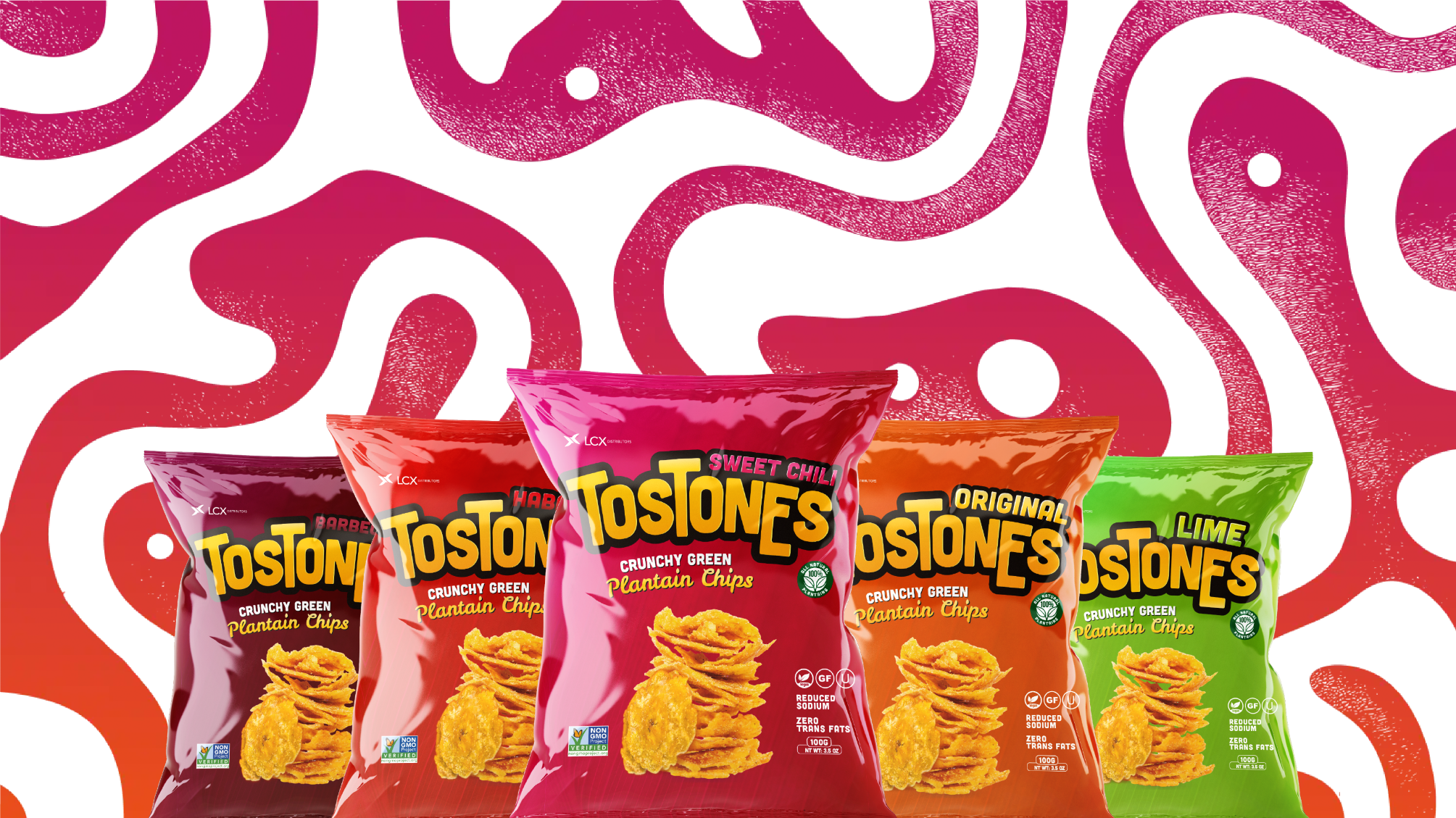
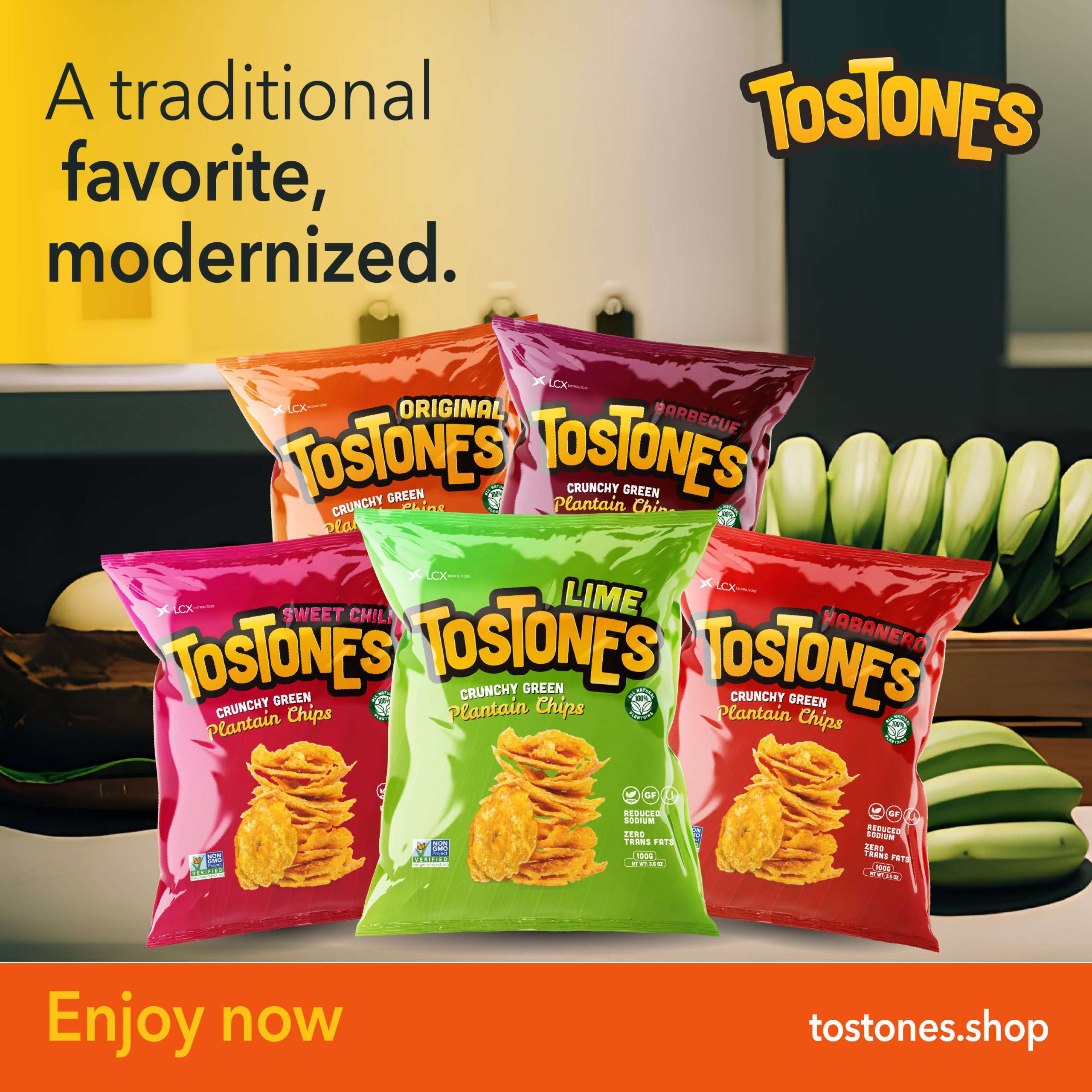
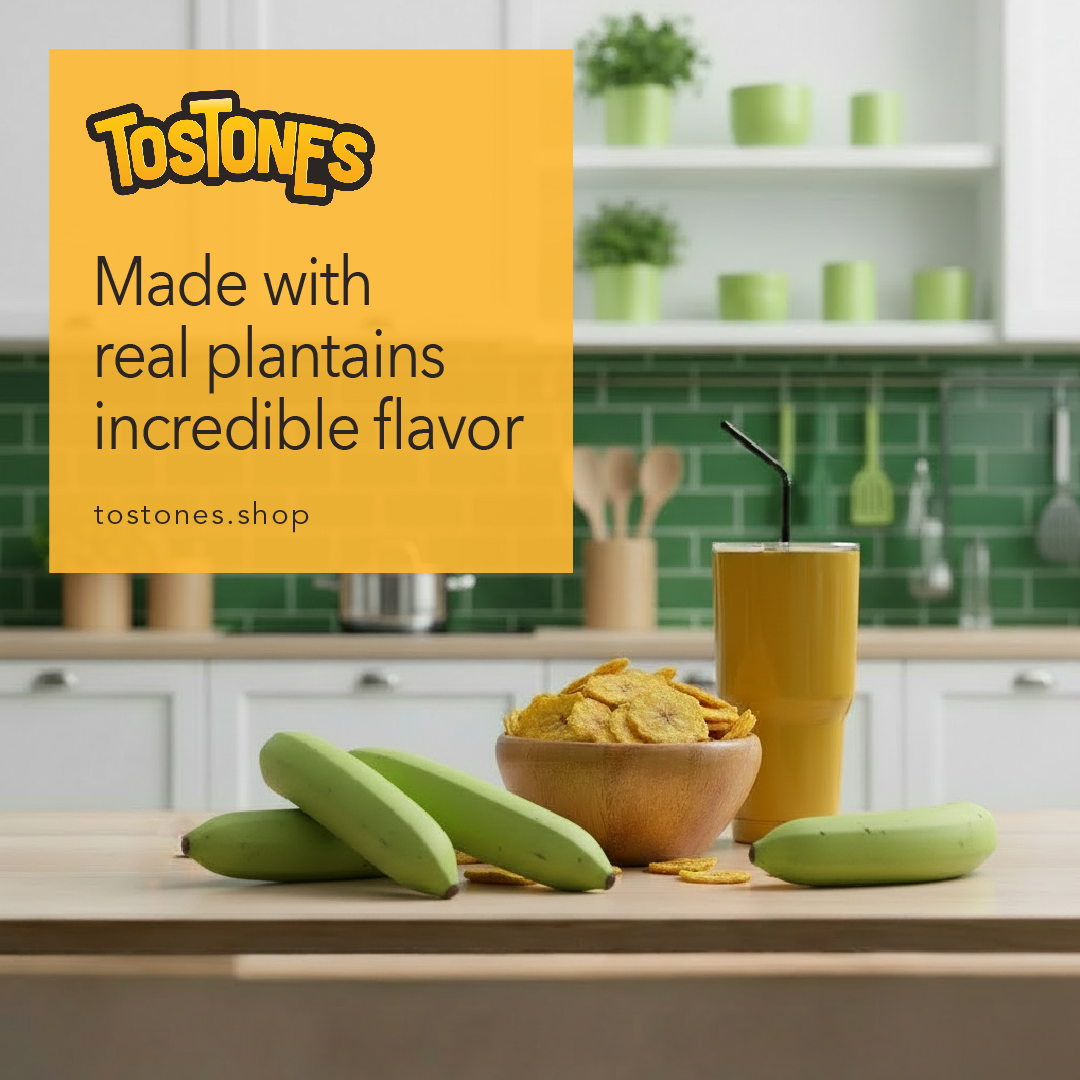
Ready-to-go snacks are at the heart of this packaging evolution. Products like pre-cooked tostones, which offer convenience and authentic flavor, are perfectly poised to lead the way. Their simple, natural character aligns beautifully with the ethos of sustainability, making them a great fit for the growing trend of sustainable snack packaging.
Envision a bag of delicious, crispy tostones packaged in a flexible film made from PHA, which can be tossed into a home compost bin after use. Or consider a multi-pack sold in a box made from 100% recycled and recyclable paperboard, with minimalist, soy-ink printing. The packaging would not only protect the freshness and crunch of the tostones but also tell a story of environmental responsibility.
By adopting sustainable snack packaging, brands like Tostones.shop can meet the demands of the modern consumer head-on. It’s an opportunity to build a deeper connection with customers, demonstrating a shared commitment to a healthier planet. This commitment becomes a powerful part of the brand’s identity, making the choice to purchase not just a tasty one, but a good one too. As we move toward 2026, the brands that embrace these sustainable trends won’t just be surviving; they’ll be thriving. They will be the ones that consumers trust, advocate for, and keep coming back to, proving that great taste and a green conscience can go hand-in-hand.