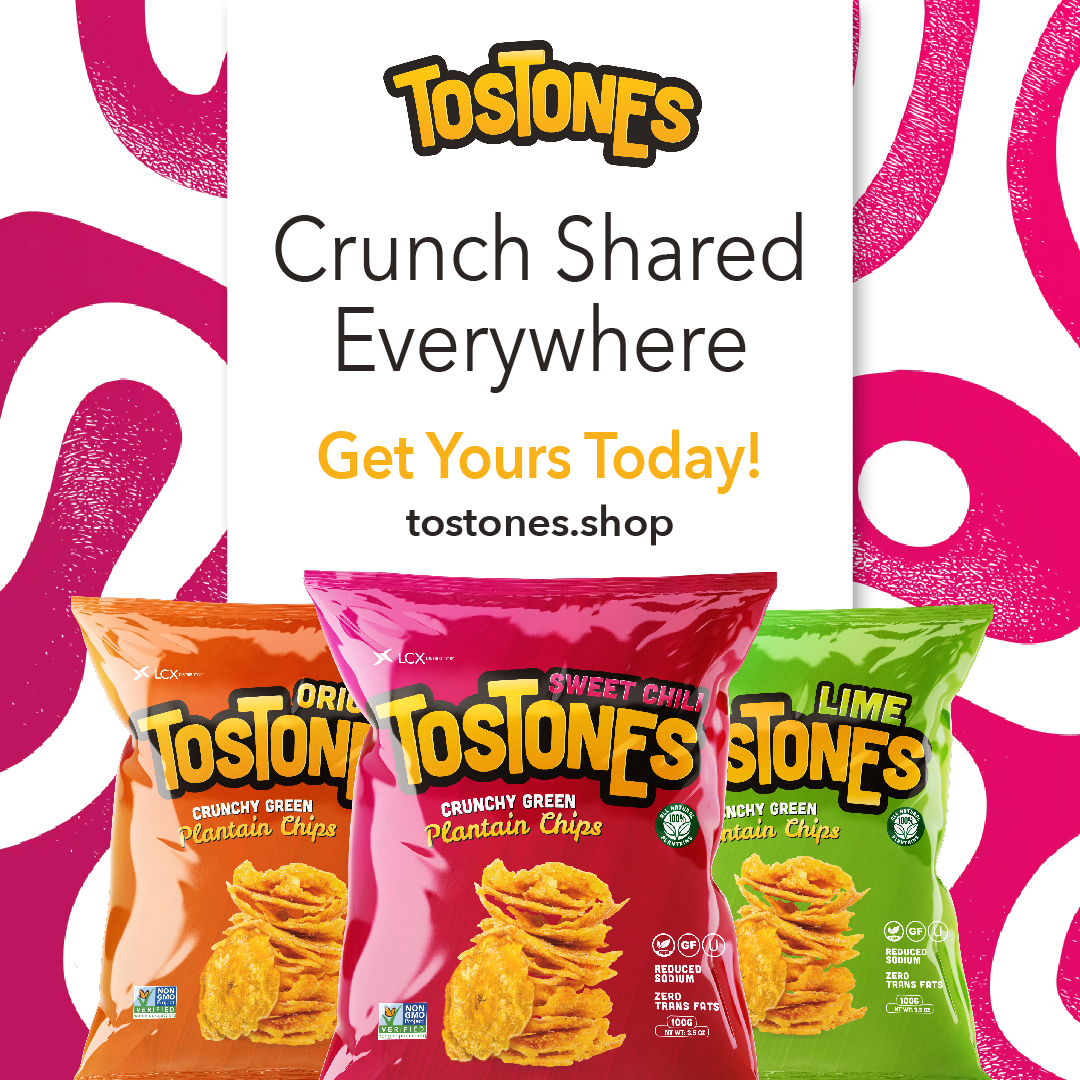
The way we snack is changing faster than ever. Gone are the days when grabbing a quick bite meant settling for stale vending machine options or whatever was left in the pantry. In 2026, ecommerce snack brands are stocking their digital shelves with incredible variety, bringing global flavors right to your doorstep. We are seeing a massive shift in how these companies approach everything from the crunch of a chip to the box it arrives in.
For snack lovers, this is the golden age. You can now find niche, high-quality treats—like perfectly crisp, ready-to-eat tostones—without leaving your couch. But what is driving this explosion of creativity and convenience? It isn’t just about making food; it is about reimagining the entire experience. Ecommerce snack brands are at the forefront of this revolution, pushing boundaries in sustainability, flavor profiles, and cutting-edge technology to meet the demands of modern consumers.
This post dives deep into the major innovations shaping the industry this year. We will explore how smart packaging keeps food fresher, why sustainability is no longer optional, and how technology is personalizing what you eat. Whether you are a foodie, a fan of ecommerce snack brands, or just someone who loves a good snack on the go, you will see how these trends are making your snacking life better.
The Rise of Smart and Sustainable Packaging
One of the biggest hurdles for ecommerce snack brands has always been shipping. How do you get a fragile, crunchy product from a warehouse to a customer’s hands without it turning into dust? In 2026, the answer lies in smart packaging.
Ecommerce snack brands are moving away from excessive bubble wrap and Styrofoam. Instead, they are adopting biodegradable, mushroom-based packaging and edible films that protect the product while being kind to the planet. This shift is crucial because consumers are becoming increasingly eco-conscious. They don’t just want a delicious snack; they want to know that their purchase isn’t contributing to a landfill.
Moreover, “smart” packaging is taking things a step further. Ecommerce snack brands are now integrating QR codes directly into packaging materials to offer full transparency. A quick scan can tell you exactly where the plantains for your tostones were grown, when they were harvested, and the carbon footprint of their journey to you. This level of transparency builds trust and connects the consumer to the origin of their food.
According to recent reports on packaging trends, the global sustainable packaging market is projected to grow significantly, driven largely by consumer demand for eco-friendly alternatives. Ecommerce snack brands that ignore this shift risk falling behind. By investing in better materials, companies like Tostones ensure that your on-the-go snacks arrive intact and fresh, all while respecting the environment.
Bold Global Flavors Meet Convenience
In 2026, “plain” is out. The modern palate is adventurous. People are craving bold, authentic flavors that transport them to different parts of the world. This is where ecommerce snack brands truly shine. Unlike traditional grocery stores with limited shelf space, online stores can offer a vast array of unique flavor profiles that cater to specific tastes.
We are seeing a surge in demand for Latin American, Asian, and African-inspired snacks. For ecommerce snack brands, it is not just about heat; it is about complexity. Think lime-infused chili, savory garlic mojo, or sweet and salty combinations that surprise the taste buds. For a brand specializing in tostones, this means moving beyond just salt. It means exploring zestier seasonings that complement the natural savory flavor of the plantain.
But flavor innovation isn’t just about the taste; it’s about the format. Convenience is king. Consumers want snacks that fit into their busy lifestyles. They need ready-to-eat options that don’t require preparation. The innovation here is in the processing techniques that lock in flavor without relying on heavy preservatives. Techniques like vacuum frying or air-drying allow ecommerce snack brands to maintain the integrity of the ingredient—keeping the crunch and the nutrient density high—while delivering a product that is ready to eat the moment you open the bag.
Food industry analysis shows that the demand for “global” flavors has outpaced traditional snack categories, signaling a permanent shift in consumer preference. This gives agile online brands a distinct advantage over legacy giants who are slower to adapt to these rapid changes in taste.
Personalization Through AI and Data
You might not think of technology when you bite into a tostone, but in 2026, tech is the secret ingredient. Ecommerce snack brands are leveraging Artificial Intelligence (AI) to create highly personalized shopping experiences.
Imagine logging onto a website that knows you prefer savory over sweet or that you have a gluten sensitivity. Ecommerce snack brands use AI algorithms to analyze browsing habits and purchase history to recommend snacks you are statistically likely to love. This takes the guesswork out of trying something new. Instead of scrolling through endless pages, the perfect snack finds you.
Furthermore, subscription models have become smarter. Instead of a generic monthly box, brands are offering dynamic subscriptions that adjust based on your feedback. Did you love the garlic flavor but dislike the spicy one? The system learns and curates your next delivery accordingly. This level of customization fosters loyalty and ensures that customers are always excited to open their delivery.
Data analytics also help brands predict trends before they explode. If data shows a sudden spike in searches for “plant-based protein snacks,” ecommerce snack brands can pivot their production quickly to meet that demand. This agility is a hallmark of the 2026 market landscape.
Research into consumer behavior indicates that personalization is a key driver for repeat purchases in the food sector. Customers feel valued when a brand understands their specific dietary needs and taste preferences, turning a simple transaction into a relationship.
The Health-Conscious Shift: Functional Snacking
Snacking is no longer just about treating yourself; it is about fueling your body. The concept of “functional snacking” has taken over, and ecommerce snack brands are rising to meet the challenge. Consumers are looking for snacks that work as hard as they do, prioritizing products that provide energy, focus, or relaxation.
Ecommerce snack brands are responding by enriching their products with functional ingredients. We are seeing snacks fortified with adaptogens for stress relief, probiotics for gut health, and added protein for muscle recovery. For a tostone brand, this might mean highlighting the natural benefits of plantains—like their high potassium and fiber content—and positioning them as a healthier alternative to processed potato chips.
Transparency in labeling is part of this trend. The “clean label” movement is stronger than ever. Shoppers want to recognize every ingredient listed on the back of the package. They are steering clear of artificial colors, high fructose corn syrup, and unpronounceable chemicals.
By focusing on whole, real ingredients, ecommerce snack brands are winning over health-conscious demographics. It is about proving that “ready-to-eat” doesn’t have to mean “unhealthy.” Innovation in natural preservation methods allows brands to offer the convenience of a packaged snack with the nutritional profile of whole food.
Studies on functional foods suggest that the market for snacks with health benefits will continue to expand, as preventative health becomes a priority for younger generations.
Direct-to-Consumer (DTC) Community Building
The relationship between brand and buyer has shifted. In the past, you bought a bag of chips and that was it. Now, ecommerce snack brands are building communities. In 2026, successful brands are content creators as much as they are food producers.
They use social media platforms not just to advertise, but to engage. They share recipes—like how to use tostones as a base for gourmet appetizers—and behind-the-scenes content showing the production process. They host virtual tastings and collaborate with influencers who align with their values.
This community-first approach creates a feedback loop. Ecommerce snack brands can ask their customers directly: “What flavor should we launch next?” or “Do you prefer family-size bags or single-serve packs?” This direct line of communication is invaluable. It makes customers feel heard and invested in the brand’s success.
Crowdfunding new product lines is another innovative strategy. It validates demand before production even begins, reducing waste and ensuring that the new product will have a waiting audience. This democratizes the snack industry, allowing the people to decide what hits the virtual shelves.
Logistics: The Need for Speed
We cannot talk about e-commerce without talking about delivery. The “Amazon effect” has set the bar high. Customers expect fast, often free, shipping. Ecommerce snack brands are innovating their logistics to keep up.
This involves utilizing micro-fulfillment centers located in urban areas to shorten the “last mile” of delivery. Instead of shipping everything from one central warehouse, brands stock inventory in smaller hubs closer to where their customers live. This reduces shipping times drastically, ensuring that when a craving strikes, the solution is only hours or a day away.
Furthermore, improved inventory management software prevents stockouts. There is nothing worse for a customer than finding their favorite snack is “out of stock.” Predictive analytics help ecommerce snack brands maintain the right inventory levels year-round, adjusting for seasonal spikes like the Super Bowl or holidays.
Innovations in cold-chain logistics are also making it easier to ship fresh or temperature-sensitive snacks without exorbitant costs. This expands the range of products that can be sold online, moving beyond just dry goods to more perishable, premium items.
Conclusion
The year 2026 marks a turning point for the snack industry. Ecommerce snack brands are no longer just an alternative to the grocery store; they are the destination for innovation. Through sustainable practices, bold new flavors, personalized technology, and functional health benefits, they are redefining what it means to snack.
For brands like Tostones, this is an exciting time. The ability to deliver high-quality, ready-to-eat tostones directly to consumers allows for a level of freshness and convenience that traditional retail struggles to match. By embracing these innovations, we aren’t just selling snacks; we are delivering experiences, saving time, and respecting the planet.
As we move forward, the ecommerce snack brands that listen to their customers and adapt to these shifting tides will be the ones that thrive. So, the next time you click “add to cart,” remember that there is a world of innovation packed into that box, ready to make your snacking experience better than ever.
Key Takeaways:
- Sustainability: Eco-friendly packaging is essential for modern consumers.
- Global Flavors: Tastes are evolving toward bold, authentic international profiles.
- Tech Integration: AI is personalizing the shopping experience.
- Health Focus: Functional ingredients and clean labels are driving sales.
- Community: Direct engagement builds loyalty and drives product development.
Ready to taste the future of snacking? Browse our shop for the crunchiest, most innovative tostones on the web.
External Resources
- Packaging World Trends 2026 – Insights into sustainable and smart packaging innovations.
- Food Dive: Snacking Trends – Analysis of consumer behavior shifts in the food and beverage industry.
- Mintel: Global Food and Drink Trends – Comprehensive market research on future flavor and ingredient trends.
- Shopify: The Future of Ecommerce – Data on how D2C brands are leveraging technology for growth.