The aisle of the local grocery store tells a familiar story every February. It is a sea of red foil, heart-shaped boxes, and sugary confections. For decades, this has been the standard. However, a significant shift is happening in how we celebrate love. Modern consumers are looking beyond the sugar crash. They are seeking connection, flavor, and wellness wrapped into one experience. The demand for Valentine’s healthier treats is not just a niche preference anymore; it is becoming a dominant market force.
Shoppers today are smarter and more health-conscious than ever before. They read labels, understand ingredients, and care about how food makes them feel long after the date is over. While chocolate will always have its place, the definition of a romantic indulgence has expanded. It now includes savory crunches, plant-based ingredients, and functional benefits. When it comes to Valentine’s healthier treats, the focus is on snacks that are both indulgent and better-for-you. Let’s dive into the trends shaping the landscape of love and snacking this year.
Valentines Healthier Treats: A Delicious Alternative
Historically, Valentine’s Day was synonymous with excess. It was the one day of the year to ignore diet culture and indulge in heavy, rich desserts. While indulgence is still key, the type of indulgence has changed. We are seeing a move toward “permissible indulgence,” where Valentine’s healthier treats allow consumers to enjoy high-quality snacks without the guilt associated with empty calories.
People want snacks that taste premium but align with their lifestyle goals. This might mean swapping milk chocolate for antioxidant-rich dark chocolate or replacing sugary gummies with fruit-based alternatives. The search for Valentine’s healthier treats is driven by a desire for balance. We want to treat ourselves and our loved ones, but we also want to respect our bodies. This evolution is pushing brands to innovate, creating products that feel special and celebratory without relying on buckets of corn syrup.
Savory is the New Sweet
One of the most surprising trends in recent years is the rise of savory gifting. Not everyone has a sweet tooth, and for many, a bag of artisan chips or premium nuts is far more romantic than a box of truffles. The savory snack market is booming, and it is finding a comfortable home in Valentine’s Day gift baskets as a great option for Valentine’s healthier treats.
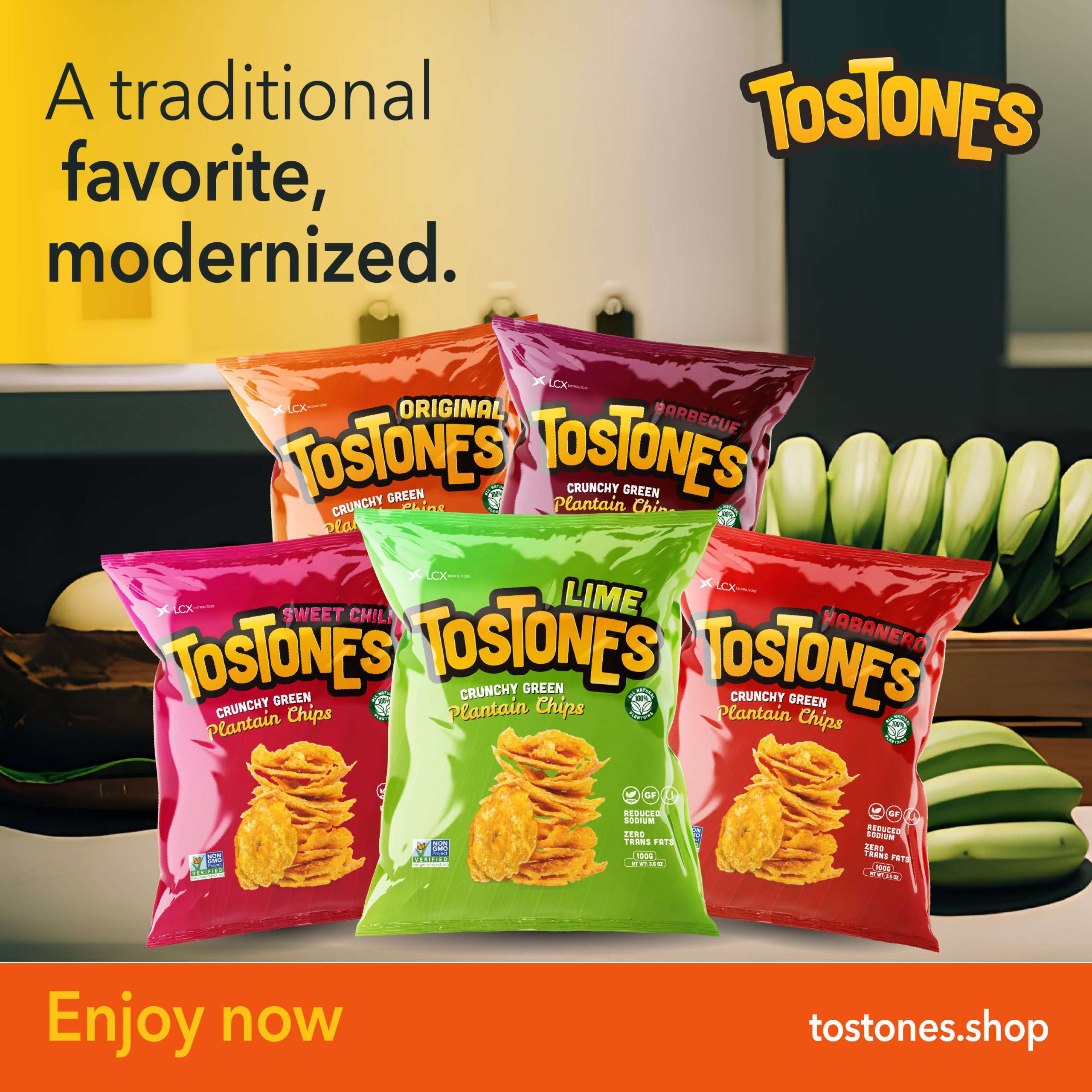
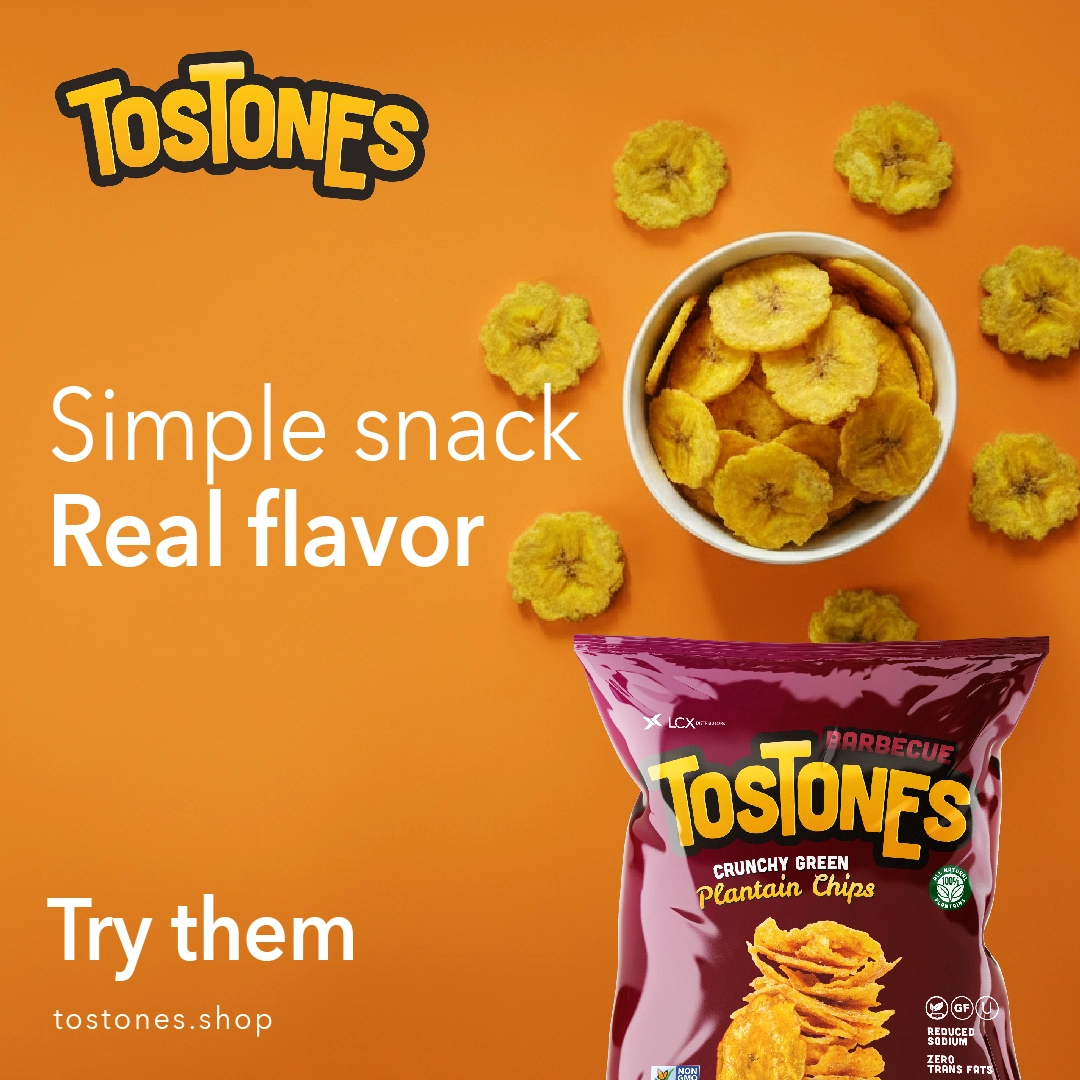
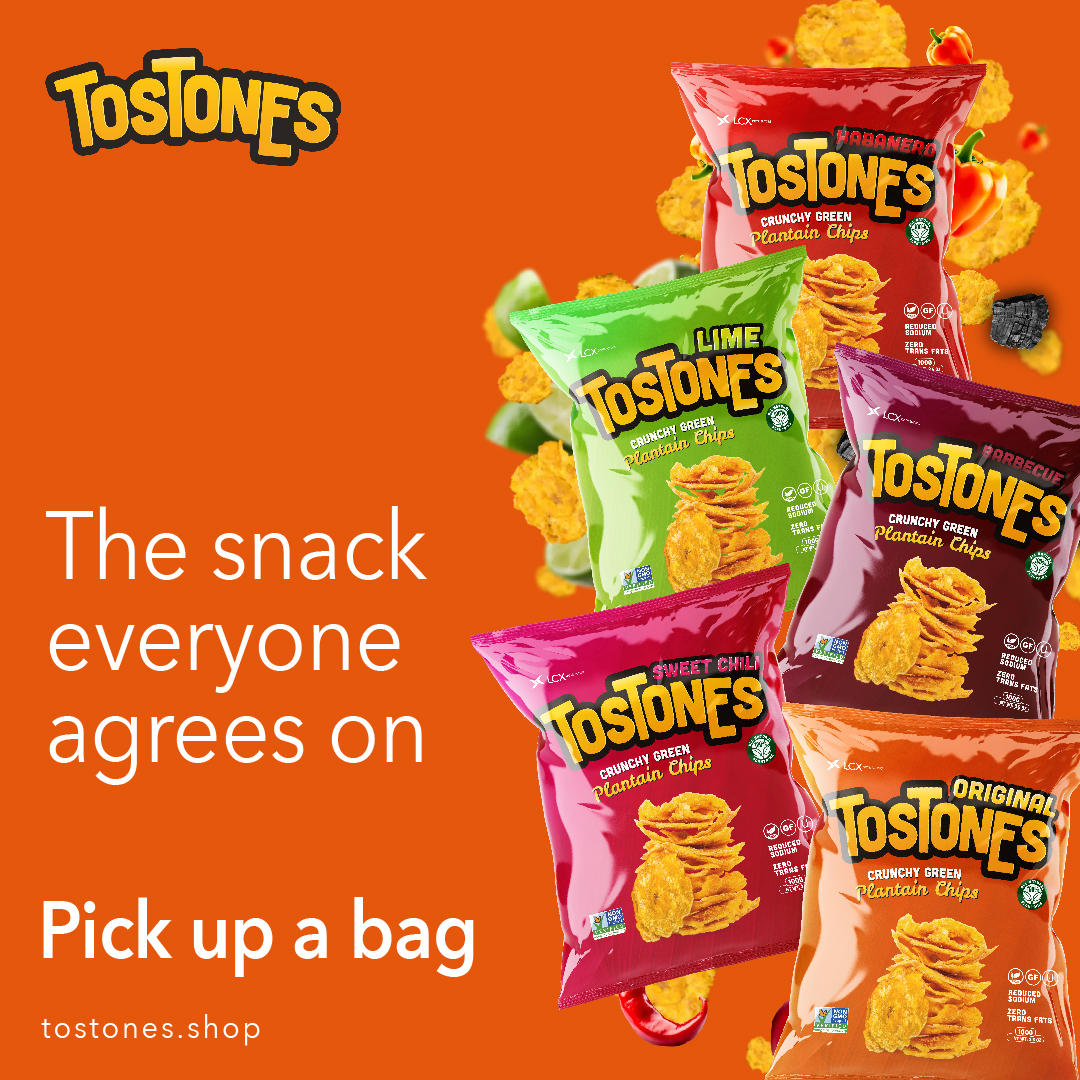
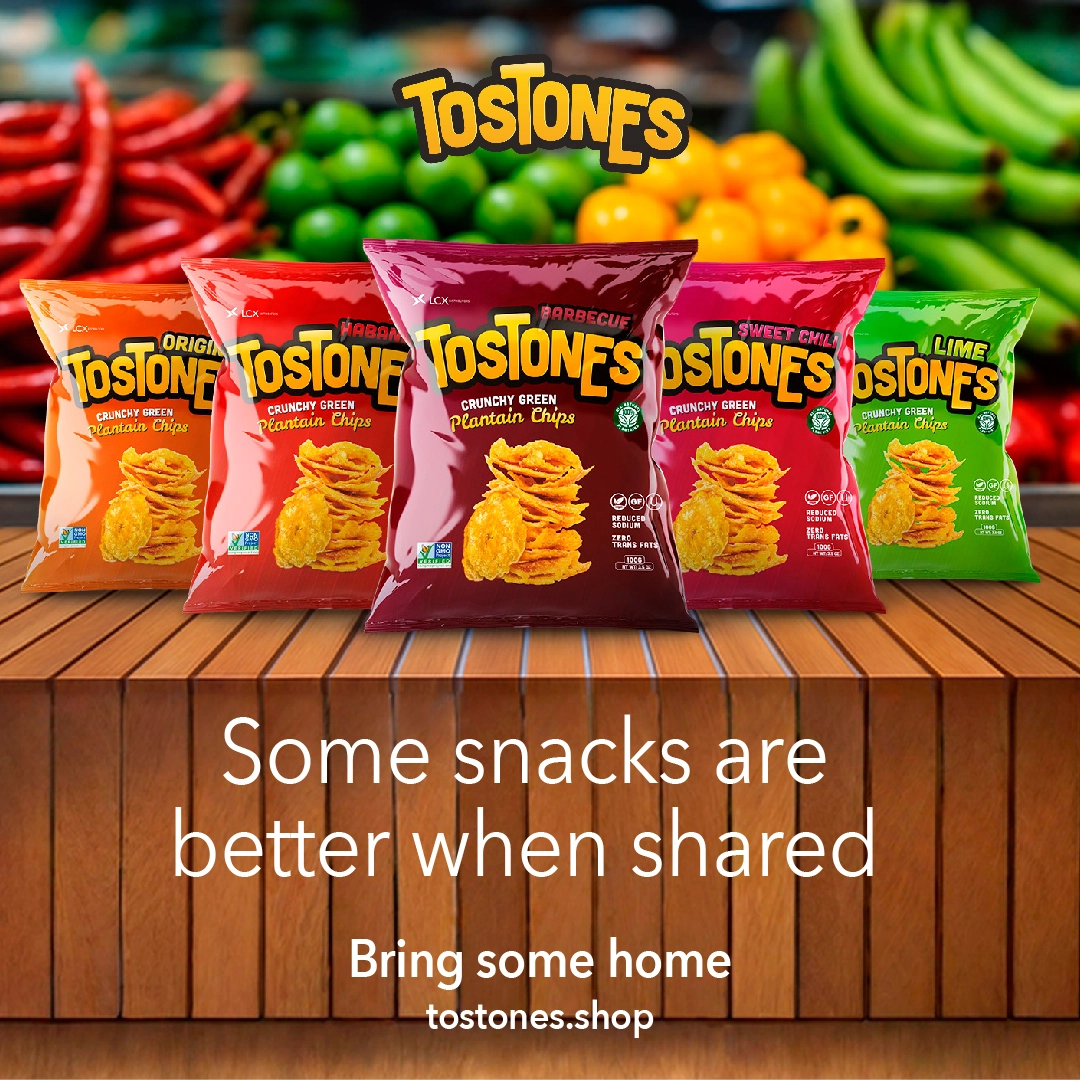
Consumers are looking for crunch and complexity. High-quality plantain chips, like tostones, offer that satisfying texture without the heavy processing of traditional potato chips. These savory options are versatile. They pair beautifully with dips, cheeses, and wines, making them perfect for a romantic night in.
When you curate a gift based on Valentine’s healthier treats, you open the door to salty, spicy, and umami flavors. Think of sea salt dusted root vegetables, truffle-infused popcorn, or roasted chickpeas. These snacks feel sophisticated and adult. They suggest that you know the recipient’s tastes intimately, rather than just grabbing a generic heart-shaped box from the shelf.
The “Free-From” Movement Goes Mainstream
Dietary restrictions are no longer on the fringe. Whether it is gluten-free, dairy-free, keto, or vegan, millions of consumers adhere to specific eating plans. In the past, this made Valentine’s Day a minefield of “I can’t eat that.” Today, inclusivity is a major trend.
The best Valentine’s healthier treats are those that everyone can enjoy. We are seeing a surge in snacks that proudly display their “free-from” certifications. A gluten-free partner does not want to feel left out of the snacking experience. Providing a high-quality, grain-free snack demonstrates care and thoughtfulness.
This trend extends to allergens as well. Nut-free schools and workplaces have made people more conscious of what they buy. Brands that offer safe, allergen-friendly options are winning big. It is about removing barriers to enjoyment. When a snack is free from common allergens and artificial additives, it becomes a universal gift of love. For more on how dietary needs are shaping consumer habits, you can look at insights from organizations like Food Allergy Research & Education.
Aesthetic Snacking: The Charcuterie Effect
Visual appeal is critical on Valentine’s Day. Social media platforms like Instagram and TikTok have popularized the “board” trend. It started with cheese and charcuterie, but it has exploded into everything from butter boards to dessert boards. This trend relies heavily on snacking components.
Building a beautiful board requires variety. You need different textures, colors, and shapes. This is where Valentine’s healthier treats shine. A vibrant board might feature golden plantain chips, ruby red strawberries, dark chocolate squares, and green pistachios. The contrast is visually stunning and appetizing.
This trend shifts the focus from a single gift to a shared experience. Couples are choosing to stay in and construct these grazing boards together. It is an interactive date night activity. The snacks used on these boards need to be high-quality because they are eaten slowly and deliberately. You cannot hide bad flavor on a grazing board. This trend elevates humble snacks into gourmet experiences, driving demand for premium, cleaner ingredients.
Clean Labels and Transparency
Trust is a major currency in the food industry. Consumers are skeptical of unpronounceable ingredients and hidden additives. The “clean label” trend is massive, especially for holidays centered on love and care, making Valentine’s healthier treats a popular choice. After all, if you love someone, you do not want to feed them chemicals.
Shoppers are flipping packages over. They are looking for short ingredient lists. They want to see “plantains, oil, salt” rather than a paragraph of stabilizers and artificial dyes. Valentine’s healthier treats prioritize transparency. They use real food ingredients that consumers recognize from their own kitchens.
This transparency extends to sourcing as well. Where did the ingredients come from? Is the packaging sustainable? These questions matter. A snack that tastes good but harms the planet is becoming less appealing to the modern shopper. Brands that tell a story of ethical sourcing and clean production are standing out. It adds a layer of emotional value to the product, which is perfect for a holiday based on emotion. You can read more about the importance of clean labeling at the Clean Label Project.
Functional Foods for Romance
Functional foods are ingredients that offer health benefits beyond basic nutrition. This is a rapidly growing category in the snack world. For Valentine’s Day, consumers are interested in snacks that boost mood, energy, or relaxation.
We are seeing Valentine’s healthier treats infused with adaptogens like ashwagandha or maca, which are believed to help manage stress and boost vitality. Magnesium-rich snacks, like pumpkin seeds or dark chocolate, are popular for their relaxation properties. Even snacks high in fiber or protein are seen as functional because they provide sustained energy for a night out (or in).
Imagine a gift basket designed for relaxation: a bag of crunchy, mineral-rich chips, a dark chocolate bar with calming lavender, and a sparkling prebiotic soda. These Valentine’s healthier treats show you care about the recipient’s well-being, not just their taste buds. It transforms a simple snack into a wellness tool.
The Rise of DIY Gift Baskets
Customization is the ultimate form of luxury. Pre-made hampers often contain one or two items you like and several you do not. This has led to a rise in DIY gift baskets. Consumers prefer to buy individual components and assemble a personalized collection.
This behavior benefits unique niche brands. A shopper might buy a bottle of wine from a local vineyard, a bag of artisanal coffee, and a pack of specialty Valentine’s healthier treats like seasoned tostones. They combine these items to create a narrative that fits their partner perfectly.
For the health-conscious consumer, this is ideal. They can curate a basket that fits a keto diet, a vegan lifestyle, or a specific flavor profile. They are not bound by the sugary defaults of the department store aisle. This trend encourages exploration. Shoppers are willing to try new brands if they fit the specific “vibe” of their curated basket. It’s also a great opportunity to highlight Valentine’s healthier treats—unique, high-quality snacks that can shine as the star of the show.
Plant-Based Indulgence
The plant-based revolution is here to stay. It is important to note that this isn’t just for vegans. “Plant-forward” eating is popular among flexitarians and omnivores who simply want to eat more vegetables. In the snacking world, this means vegetables are being transformed into crave-worthy treats, perfect for those looking for Valentine’s healthier treats.
Root vegetable chips, dried fruit, and nut-based cheeses are premium items. They offer the satisfaction of snacking without the heaviness of animal products. Valentine’s healthier treats in this category often focus on bold spices and natural sweetness.
For example, a crispy plantain chip offers the savory satisfaction of a potato chip but with a different nutritional profile and a more complex flavor. It feels lighter. It aligns with the desire to feel good after eating. As more people adopt plant-based habits, these snacks are moving from the health food aisle to the front of the store, especially during holidays. For broader context on plant-based statistics, the Plant Based Foods Association offers excellent data.
Portion Control and Miniatures
While bulk buying is popular for household staples, Valentine’s Day is about delicacy. There is a growing trend toward miniature or single-serve packaging. This supports the idea of portion control without the consumer having to measure anything out.
Small, beautifully designed bags of snacks are perfect for gifting. They can be slipped into a card, added to a mug, or used as a table setting for a “Galentine’s” brunch. These “micro-treats” allow people to sample a variety of flavors without committing to a full-size bag.
For Valentine’s healthier treats, single-serve packaging keeps the product fresh and crunchy. It also helps with calorie management, which is a concern for many health-conscious individuals. A small bag of premium chips feels like a treat, whereas a giant family-size bag might feel like a loss of self-control. The packaging itself becomes part of the allure—cute, compact, and shareable.
Conclusion: A New Era of Healthier Snacks
The days of generic, sugar-laden Valentine’s gifts are fading. They are being replaced by thoughtful, healthier, and more savory options. Consumers want to celebrate love with Valentine’s healthier treats, but they also want to celebrate their health and values. The trends are clear: savory flavors, clean ingredients, dietary inclusivity, and functional benefits are leading the way.
Choosing Valentine’s healthier treats creates a more personal and enjoyable experience. It allows couples and friends to share delicious food without compromising their well-being. Whether it is a crunchy bag of tostones on a charcuterie board or a curated basket of functional goodies, the modern Valentine’s snack is all about quality over quantity.
As you prepare for the season of love, consider stepping away from the candy aisle. Explore the world of savory, crunchy, and clean snacks. Your body—and your Valentine—will thank you for it.
For more insights on healthy eating guidelines, visit the U.S. Department of Agriculture.